

Yes, and the differences are structural rather than branding. A Japanese cigarette is a different engineering answer to the same problem, and the result is recognisably not an American cigarette.
One: the blend
Japanese manufacturers favour flue-cured Virginia leaf, with a high proportion of bright leaf and a lighter hand on burley. That produces a smoke that is sweeter, more hay-like and less cocoa-heavy than an American blend.
The absence of burley is the key difference. Burley carries the molasses and cocoa notes that define a Marlboro; remove it and you get the cleaner, brighter profile of a Mevius.
Two: the cut
Japanese tobacco is typically cut finer, which changes how it packs into the rod and how it burns. A finer cut gives a denser rod and a slightly different release curve — the smoke arrives more evenly and the finish is shorter.
Three: the filter
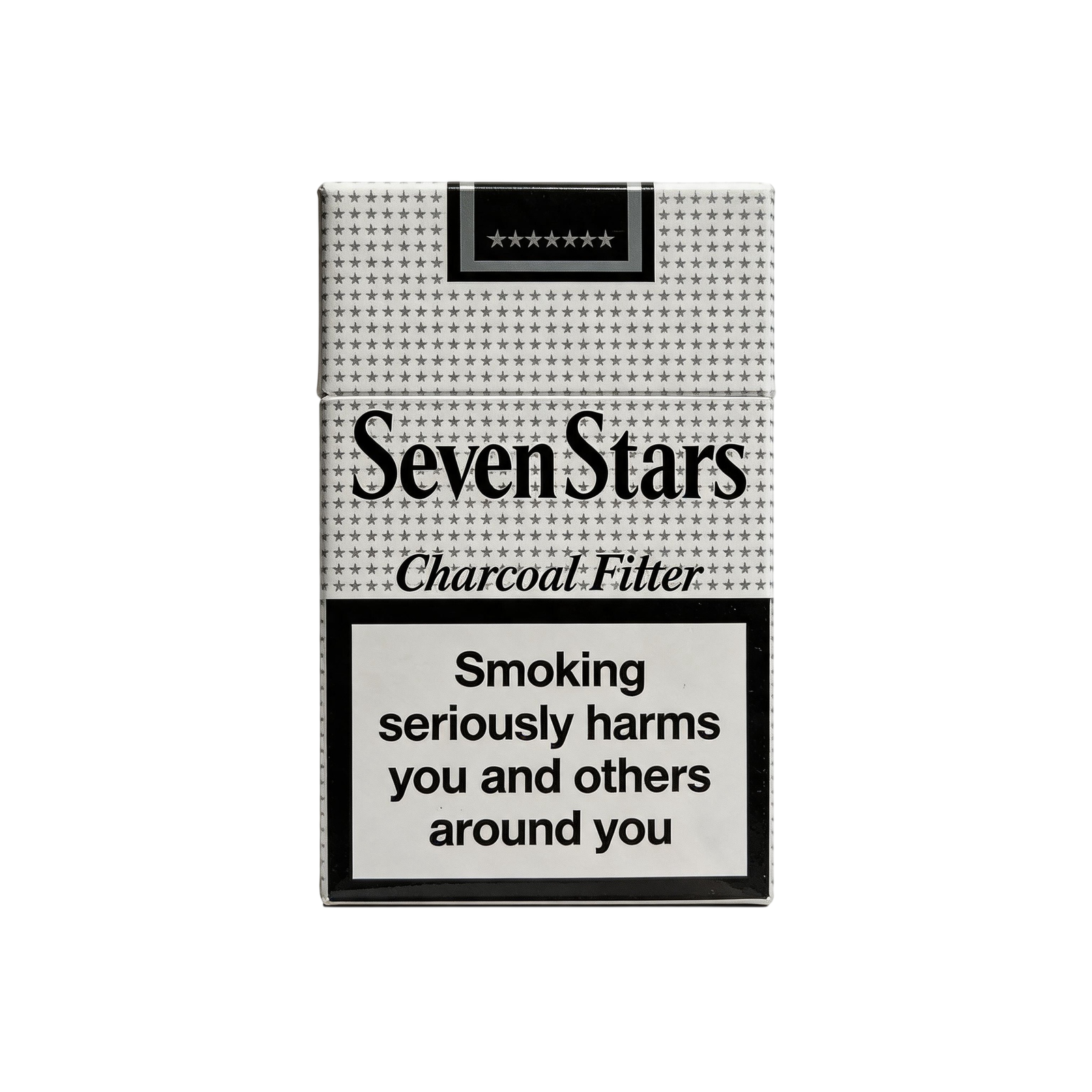
Charcoal filters are near-universal in Japan and uncommon elsewhere. Activated charcoal adsorbs volatile compounds and removes some of the harshness of high-tar smoke, which is why a 14mg Japanese cigarette can taste smoother than a 12mg American one.
It is a flavour device, not a safety feature. Our charcoal note covers the mechanism.
The milligram ladder
Japanese packs label by machine-measured tar, and the range runs continuously from 1mg to over 20mg. That granularity is unusual — most markets group products into three or four bands.
It also means Japanese smokers choose by number rather than by name, which is why “Mevius 7mg” is a meaningful product designation in a way that “Marlboro Gold” is not.
What this means in practice
If you smoke American full-flavour, a Japanese 7mg will feel lighter and cleaner but not weak. A Japanese 14mg will feel stronger than its number suggests, because ventilation is lower.
The transition is a change of category, not a variation. Our brands guide covers the range, and the buying note covers availability.
Are they better?
That is preference, not fact. They are different — cleaner, brighter, often smoother. Whether that is better depends on whether you want the sweetness and weight of an American blend or the dryness and clarity of a Japanese one.
Anyone claiming one is objectively superior is describing their own palate.