
Three completely different things produce a low carton price, and they are not equivalent.
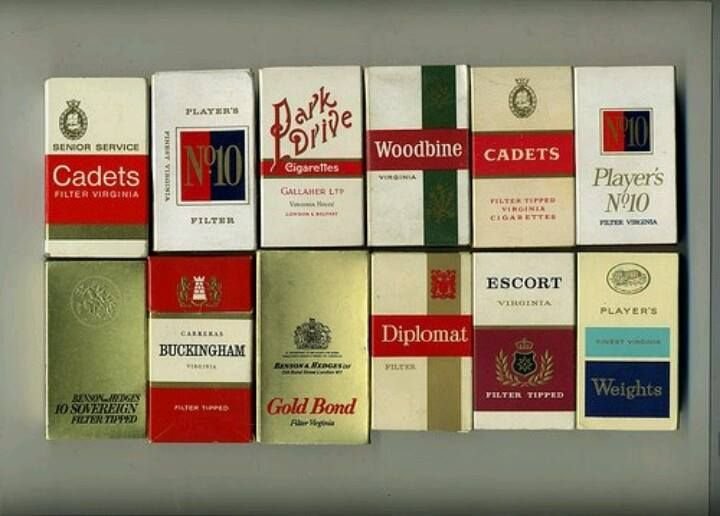
One: a value brand
Lower-grade leaf, simpler blend, less consistency. The cigarette is serviceable and the saving is real, but the experience differs — harsher at the end, less layered in the middle.
Two: a slim format
Less tobacco per cigarette, which is cheaper to make. But it also burns faster, so the per-day cost can be higher despite the lower carton price. Our ESSE guide works through that.
Three: low-tax sourcing
The same premium product at a lower price because a tax was not paid. This is the only one of the three that gets you identical quality for less money, and it is the mechanism our pricing relies on.
Our pricing mechanism piece explains it.
Our cheapest carton
ESSE Menthol Super Slim 5mg at $59.90 — $5.99 a pack. It is a premium Korean slim, not a value brand; it prices low because Korean stock and the slim format both cost less at source.
It is also the carton most likely to disappoint a heavy smoker, because the burn rate means it does not last. Cheap per carton is not the same as cheap per week.
Why a price below the floor is a warning
There is a minimum cost to producing and packing a carton. A price well below that is counterfeit, contraband, or bait. Our authenticity guide covers the checks.
How to judge a cheap carton
Divide by ten, then divide by the number of days it lasts you. That gives cost per day, which is the figure that actually matters. A cheap carton that lasts a week can cost more than an expensive one that lasts ten days.
Our comparison piece has the arithmetic.
The four levers that actually reduce a carton price
Only four things make a carton cheaper: a value brand, a slim format, a low-tax origin, and a channel with less retail margin. Everything else is either a small adjustment or a warning sign. A site that claims to have found a fifth lever is usually describing a brand you have not heard of, stock that is not fresh, or a transaction that will not complete.
Work the levers in that order. Brand first, because it is the largest single factor and the easiest to verify. Format second, because it changes how much tobacco you get rather than what you pay per gram. Origin third. Channel last, because it is the one that varies most between sellers for identical product.
What the actual floor looks like
For a legitimate imported carton in 2026, the floor is around $55. That is a value slim from a low-cost origin, bought in quantity, shipped economically. Between $55 and $65 you are in the honest value band. Between $65 and $85 is where premium American and Japanese brands live. Above $85 you are either in a high-tax market or buying a full-flavour premium.
Below $50, the arithmetic stops working. Freight alone on a carton is a meaningful fraction of that figure, and no importer can sell at or below their own landed cost indefinitely. When you see $39.99, the question is not whether it is a good deal but which of the three explanations applies.
The value brands worth knowing
ESSE is the clearest example in our stock: a Korean super-slim that prices at $59.90 a carton and delivers a genuinely different smoking experience rather than a cut-down copy of a premium brand. It is cheap because it is narrow and because Korean origin costs less, not because the tobacco is worse. That is the honest version of a value carton.
The dishonest version is an unfamiliar brand name at an unfamiliar price with no origin disclosed. If a listing will not tell you which country the carton ships from, price tells you nothing.
Why the cheapest carton is often the most expensive purchase
Because a carton you do not finish has cost you the full price and delivered nothing. Stale menthol, crushed capsules that no longer pop, tobacco that has dried past the point of smoking well: all of these are common in deeply discounted stock, and none of them are visible in a product photo. The discount is compensation for a risk you are taking, not a gift.
There is also the counterfeit problem. A carton priced at half the floor is the single most reliable predictor of counterfeit stock in this category, and counterfeit cigarettes are not merely a bad smoke; they are an unregulated product with unknown contents.
How to test a cheap carton before committing
Order one, not five. Check the tax stamp or the origin marking on arrival. Check the code date. Open one pack and confirm the menthol is still sharp or the capsule still crushes. If all four pass, the seller has earned a second order. If any fail, you have lost one carton rather than six.
That procedure costs you the shipping on a single carton and saves you the cost of a bad bulk order. It is the only reliable way to evaluate a discount seller, and it is why we suggest starting with two cartons rather than ten.
The uncomfortable comparison
A $59.90 carton of ESSE slims and a $69.90 carton of Marlboro Red are not competing on price, because they are not the same product. The slim gives you 200 narrow cigarettes that burn quickly; the red gives you 200 full-flavour cigarettes that last longer per stick. Per week of smoking, the cheaper carton can easily be the more expensive one. Our ESSE guide and weekly cost piece both work through that comparison with numbers.