

Cheap by developed-market standards, expensive by historical Japanese standards. Both statements are true, and the tension between them explains a lot about the market.
The price level
A mainstream pack in Japan sits in the low-to-mid single digits in dollar terms — well below Western Europe and below most of the US. A carton is ten packs, so the arithmetic is straightforward.
The reason is the tax burden. Japan taxes tobacco substantially, but less than most of Europe and less than high-tax US states. The result is a price that looks low to a New Yorker and high to someone who remembers the 1990s.
The trajectory
Prices roughly doubled in the 2000s and 2010s through a series of tax increases, most notably a large rise in 2010 that produced a measurable decline in consumption. The pattern is the standard one: significant excise increases reduce volume, then volume stabilises at a lower level.
Why Japanese brands cost more abroad
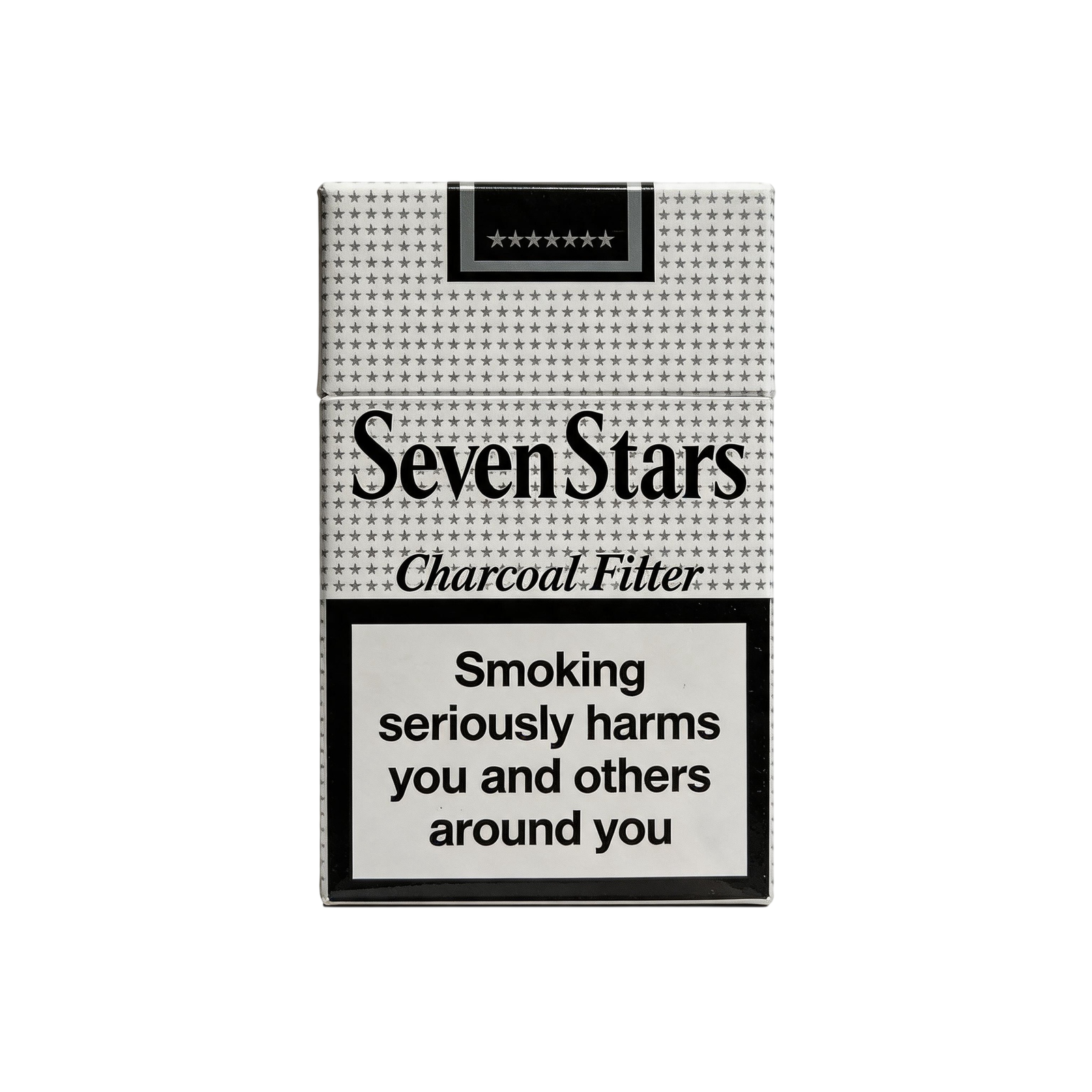
Export cost. A carton sold outside Japan carries shipping, import margin and the absence of the domestic tax structure — but also retailer margin in a smaller market. The net effect is that a Mevius or Seven Stars carton abroad costs more than it does in Tokyo.
Our Mevius Sky Blue at $79 is a reflection of that, not a markup on a cheap product.
Is it cheap enough to be worth buying there
For a visitor, the saving versus a high-tax US state is real but modest. Versus northern Europe it is substantial. Versus low-tax US states, there is no saving at all.
Personal allowances apply on import — commonly one carton, sometimes more, depending on the destination country. Our duty-free note covers how allowances work.
What this means for the product
Japanese cigarettes are not a luxury product at home. They are a mass-market item at a mass-market price, which is why the range is so broad and the milligram ladder so granular — the market supports many variants because volume is high.
Our brands guide covers what the range looks like.